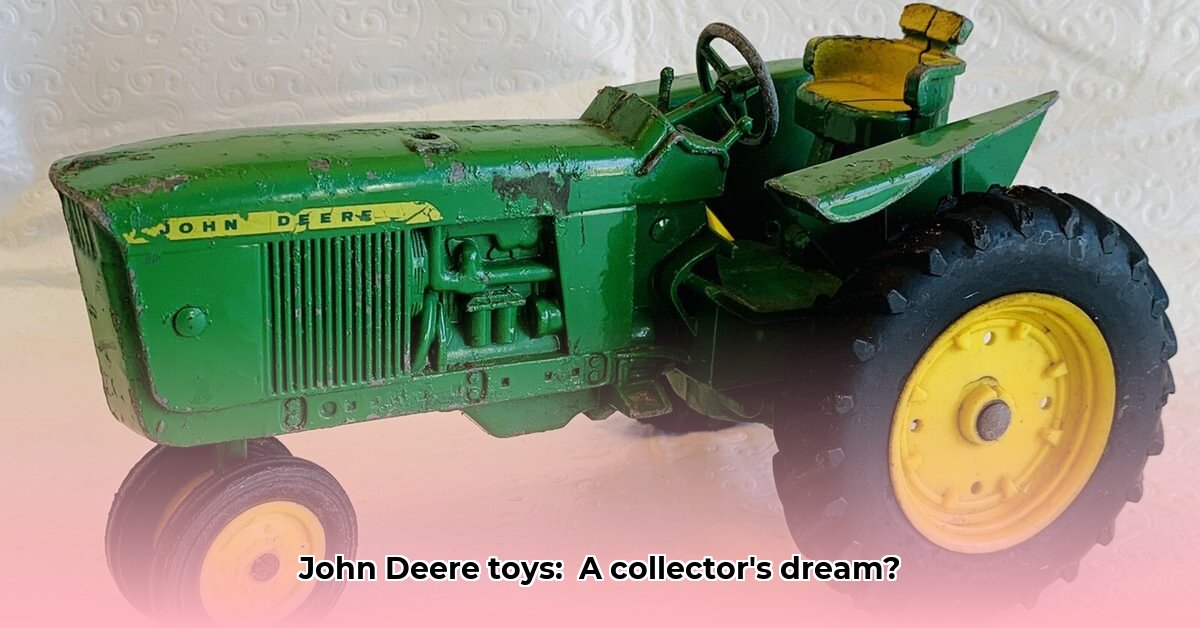
The world of collectible toys extends far beyond childhood memories. John Deere metal tractor toys, in particular, represent a surprisingly lucrative and engaging collecting niche. This guide provides actionable insights for both seasoned collectors and those just beginning their journey into this fascinating market, blending historical context with practical advice for building a valuable and rewarding collection. For more detailed information on specific models, check out this helpful resource: John Deere Tractor Toys.
Understanding the Value of John Deere Metal Tractor Toys
What distinguishes a common toy tractor from a prized collectible? Several key factors influence a John Deere tractor toy's value, making careful consideration crucial for both buyers and sellers.
Rarity plays a pivotal role. Limited-production models, similar to rare baseball cards, command higher prices due to their scarcity. Specific production years also contribute to a model's desirability, making thorough research essential. Online forums and collector communities are invaluable resources for identifying these rare gems. For example, a 1950s model in excellent condition could fetch significantly more than a more commonly produced counterpart from the 1970s.
Condition is paramount. A pristine, box-fresh tractor in its original, undamaged state will significantly outperform a damaged or worn example. Scratches, dents, faded paint, or missing parts directly impact value. Think of it like the automotive market—a well-maintained classic car is worth far more than a neglected one. Meticulous examination is crucial before making any purchase.
The original packaging significantly increases value. A tractor in its original box provides a layer of authenticity and protection, preserving its condition and adding to its overall appeal. In some cases, the packaging itself becomes a collectible item, further enhancing the value.
Special features, such as unique paint jobs, limited edition markings, or included accessories, can dramatically boost a tractor's value. These elements cater to specific collector preferences and contribute to increased demand.
Building Your John Deere Collection: A Step-by-Step Guide
Ready to embark on your collecting journey? This step-by-step guide offers a practical roadmap to success:
1. Conduct Thorough Research: Before making any purchases, research different John Deere models, their production years, and typical market values. Online resources, forums, and auction sites are invaluable tools. Understanding different production eras and identifying currently popular styles among collectors will inform your collecting choices.
2. Establish a Realistic Budget: The market for collectible tractors ranges from a few dollars to thousands. Setting a clear budget and adhering to it is crucial for responsible collecting. Starting with a manageable financial investment allows for gradual collection growth and reduces the risk of overspending.
3. Start Small, Focus Strategically: Don't feel pressured to amass a vast collection immediately. Begin with a few models that resonate with you, concentrating on a specific niche: tractor types, eras, or certain features. A focused collection allows for deeper expertise and more informed purchasing decisions.
4. Engage with the Collector Community: Join online forums and local collector clubs. Networking with fellow enthusiasts provides access to valuable knowledge, including rare finds, market trends, and expert insight. These connections also facilitate trading and buying opportunities.
5. Prioritize Proper Storage: Preserving your collection requires dedicated storage. Keep tractors in a cool, dry environment, away from direct sunlight. Consider archival-quality display cases or specialized storage solutions to safeguard your investment and maintain their value.
Weighing the Pros and Cons: Is Investing in John Deere Tractors Right for You?
Like any investment, collecting John Deere tractor toys presents both advantages and disadvantages:
Pros:
- Potential for Appreciation: Rare and well-maintained tractors can appreciate significantly in value over time.
- Engaging Hobby: Building a collection provides a rewarding and enjoyable pastime, combining the thrill of the hunt with community involvement and historical context.
- Growing Market: The market for vintage toys, especially iconic brands like John Deere, shows consistent growth, offering promising investment potential going forward.
- Accessibility: Unlike some high-end collectibles, entry into the John Deere tractor market offers a comfortable range of price points, allowing for incremental collection growth.
Cons:
- Market Volatility: Value fluctuations are inherent to the collectible market, making it essential to understand and monitor market trends.
- Requires Research and Knowledge: Success in collecting demands dedicated research and understanding factors influencing value.
- Storage Requirements: A significant collection requires adequate space and careful storage to preserve condition.
- Counterfeit Risk: Beware of counterfeit tractors. Thorough authentication is necessary before purchase to avoid costly mistakes.
Sourcing and Selling Your Collection
Online auction sites are popular platforms for buying and selling, but specialized dealers often provide superior authentication and condition assessments. Local antique shops, flea markets, and collectors' shows offer unique opportunities, but thorough due diligence remains crucial. Patience and careful research are invaluable when identifying and purchasing collectibles.
The Future of John Deere Metal Tractor Collecting
The collector's market is dynamic; keeping abreast of current trends, participating actively in the collector community, and staying informed about new releases are crucial. Continuous learning ensures wise investment choices. Remember, the enjoyment derived from connecting with fellow enthusiasts and appreciating the historical significance of these toys adds to the overall value and experience.